What should I record when a central air conditioner or ductless unit is not cooling properly?
When an air conditioner blows warm air, cycles unusually, or stops operating, the cause should be confirmed before parts are changed. Central air systems and ductless units have different indoor and outdoor components, so the equipment type matters. Electrical faults, airflow restrictions, coil condition, and refrigerant leaks require distinct checks. Note when cooling changes, whether the unit starts, and any unusual sound; these observations help distinguish a repair from maintenance or a replacement discussion.
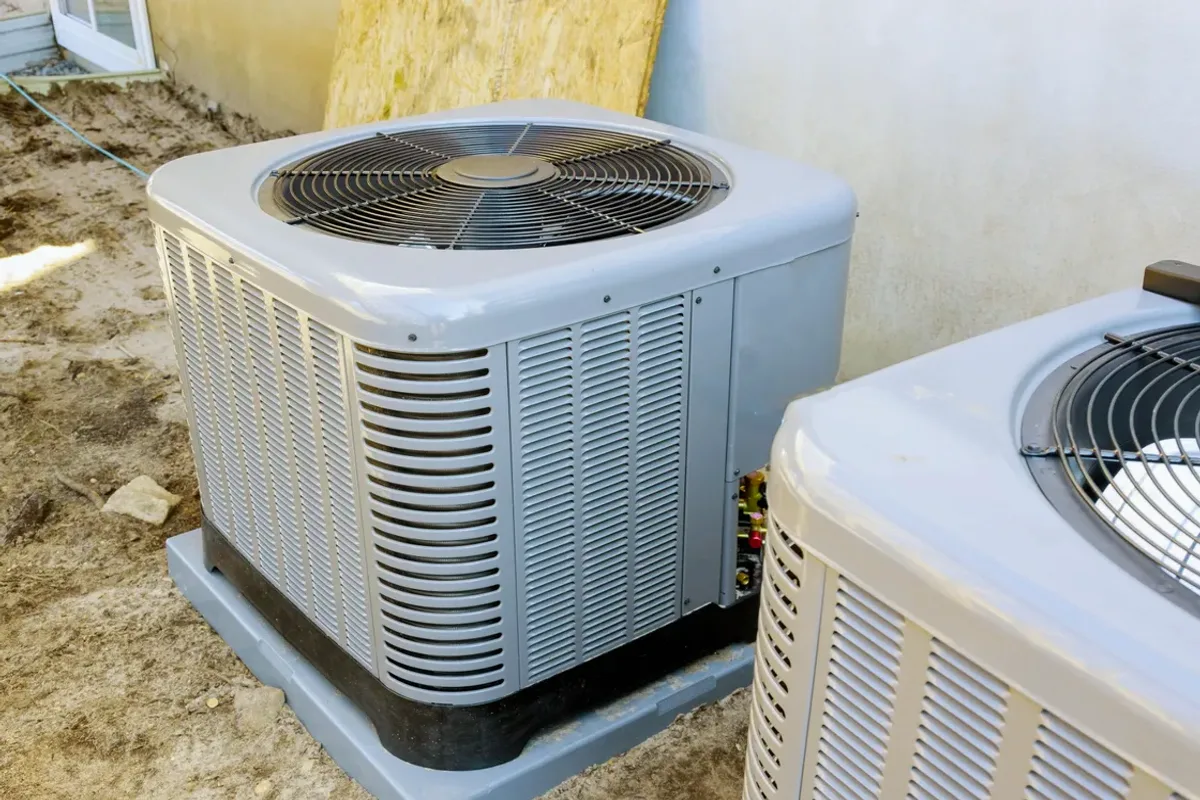
Record whether the system starts, how long it runs, which rooms are affected, and whether airflow or outdoor-unit operation has changed. The system type and model help determine which controls and components apply. A diagnosis can then compare electrical measurements, airflow, coil condition, and refrigerant-circuit findings before repair or replacement is considered.
Central air and ductless cooling faults
Electrical, airflow, coil, and refrigerant diagnosis
Evidence-based repair and replacement comparison
Assessment and Scope
Questions for the Proposed Work
01
Trace warm air or short cycling to its cause
Warm supply air can follow an electrical failure, reduced airflow, a coil problem, or a refrigerant-circuit fault; short cycling can have other control or operating causes. Central systems and ductless equipment do not share identical layouts, so testing should match the model. Refrigerant diagnosis requires appropriate instruments and leak assessment. Do not open equipment or handle refrigerant or internal electrical parts; share the symptoms and let the inspection establish the cause.
02
Distinguish maintenance findings from repairs
Inspection can identify a dirty filter, blocked airflow path, fouled coil, or a failing electrical component, but each finding has a different remedy. Manufacturer instructions and observed condition should guide maintenance. If cooling has weakened, a refrigerant leak should be investigated rather than treated as a routine top-up. Cleaning or maintenance may address a confirmed condition, while failed parts need repair and recurring faults may warrant a replacement comparison.
03
Compare repair and replacement on evidence
A confirmed failed capacitor or contactor may present a different repair scope from a leaking refrigerant circuit or compressor fault. Compare the diagnosed work with the unit’s overall condition, parts availability, and system compatibility before deciding whether to repair or plan replacement. For a replacement, the existing ducts or ductless configuration and the home’s cooling requirements matter. No single symptom or age alone determines the appropriate choice.
Compare the next step
Ask what the remote controls reveal about a cooling fault and what still requires a visit. Establish who can inspect accessible areas for water or damage and authorize service while the owner is absent. Compare the monitoring feature with a practical access and response arrangement rather than relying on an app notification alone.
Do not open electrical panels or handle refrigerant. If ice, water near electrical equipment, or abnormal operation is present, stop using the affected system and request an assessment.