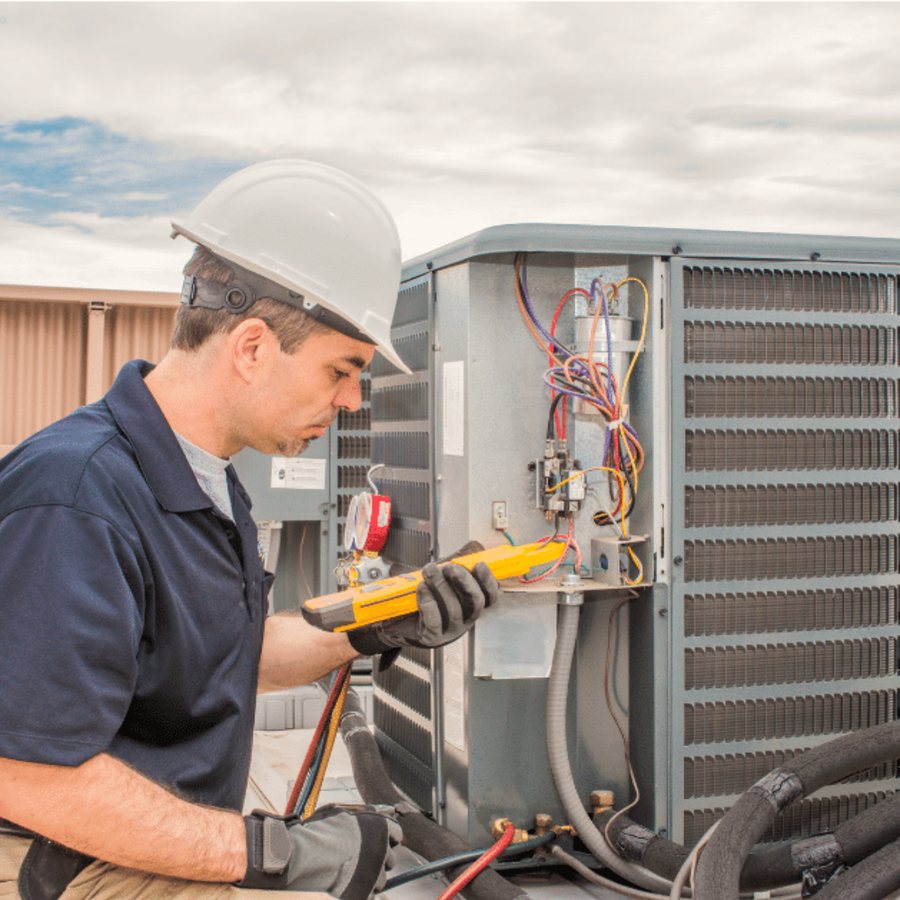
Request heat pump repair & installation for a property in Oshawa. Include the equipment, the problem or planned work, and your location so the request can be reviewed.
What operating details help distinguish a heat-pump fault from a system that needs replacement?
A heat pump that ices up, runs continuously, cycles repeatedly, or leaves rooms uncomfortable may need repair diagnosis, while an aging or unsuitable unit may prompt an installation comparison. Ducted and ductless systems have different layouts, and standard and cold-climate models have different operating specifications. Defrost controls, sensors, airflow, and the refrigerant circuit can affect repair scope. Note the operating mode, symptoms, and any recent changes before deciding whether maintenance, repair, or replacement is relevant.
Record whether the issue occurs in heating, cooling, or both, whether ice remains on the outdoor unit, and how long the system runs before stopping. Note ducted or ductless configuration and model information. These details help guide checks of airflow, sensors, defrost operation, electrical controls, and the refrigerant circuit before repair and replacement options are compared.
Heat-pump defrost, sensor, airflow, and refrigerant faults
Ducted and ductless installation distinctions
Standard and cold-climate model selection
Assessment and Scope
Questions for the Proposed Work
01
Investigate icing, cycling, and weak heating
Ice that persists, frequent starts, or inadequate heat can involve airflow, a sensor, a defrost board, a control fault, or the refrigerant circuit. The correct tests depend on the heat-pump model and whether it is ducted or ductless. A visible symptom alone does not confirm a failed component. Do not remove panels, handle refrigerant, or reset safety devices; describe when the symptom occurs so the diagnosis can follow the system’s operating sequence.
02
Match a new system to its configuration
Installation planning should distinguish ducted equipment from ductless equipment and account for the distribution system already serving the home. If heating during colder conditions is an important use, compare the selected model’s specifications with that requirement rather than assuming all heat pumps operate alike. Controls, electrical supply, outdoor placement, and any existing heating system also affect the design. A replacement should be based on site conditions and equipment compatibility.
03
Use condition to compare repair and replacement
A repair may be appropriate when inspection identifies a specific fault and the remaining equipment condition supports continued operation. Repeated breakdowns, a major component failure, or incompatible controls can change the comparison, but none alone settles it without diagnosis. Maintenance should follow the manufacturer’s instructions and inspection findings. Compare the confirmed repair scope with a replacement plan that specifies system type, heating role, and required changes to existing distribution.
Compare the next step
Ask how backup heat behaves when the owner is away and what monitoring can confirm. Record the approved operating settings, who receives alerts, and who can provide access. The absence plan should account for equipment service and the property consequences of lost heat, rather than simply installing remote controls.
Cold-climate capability does not prove that one model covers every home heating load. Ask how the selected equipment and supplementary heat meet the actual design requirements.