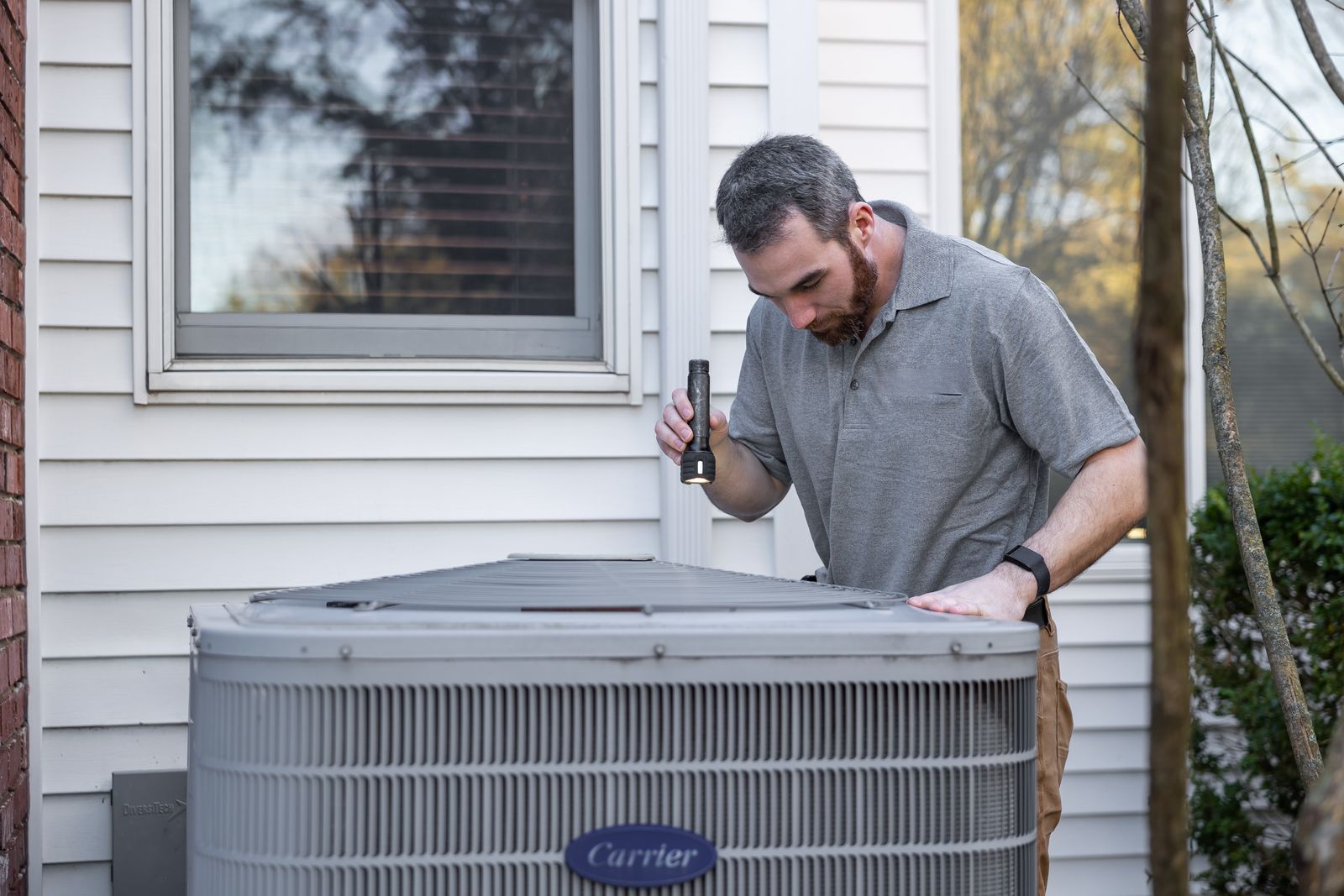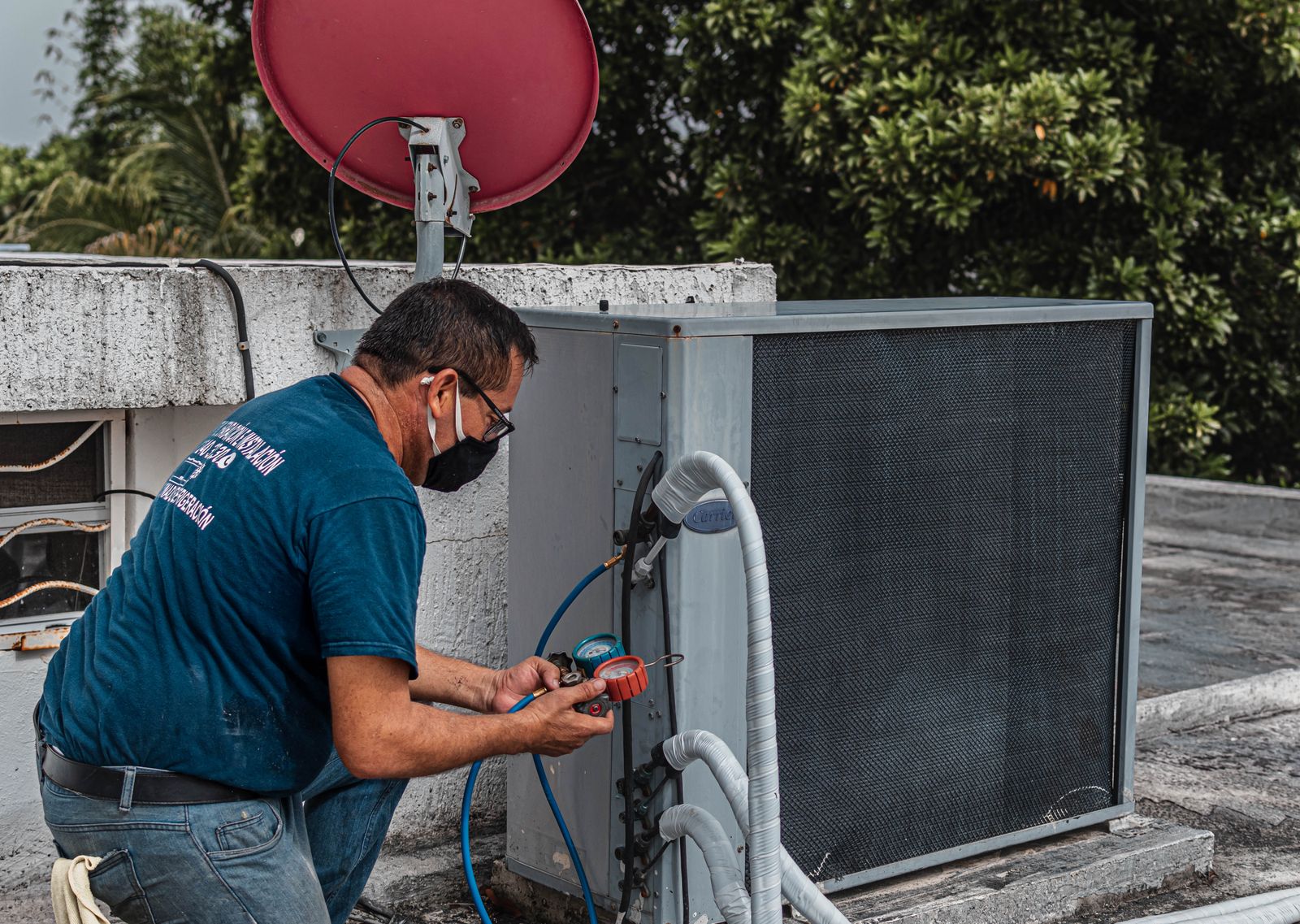
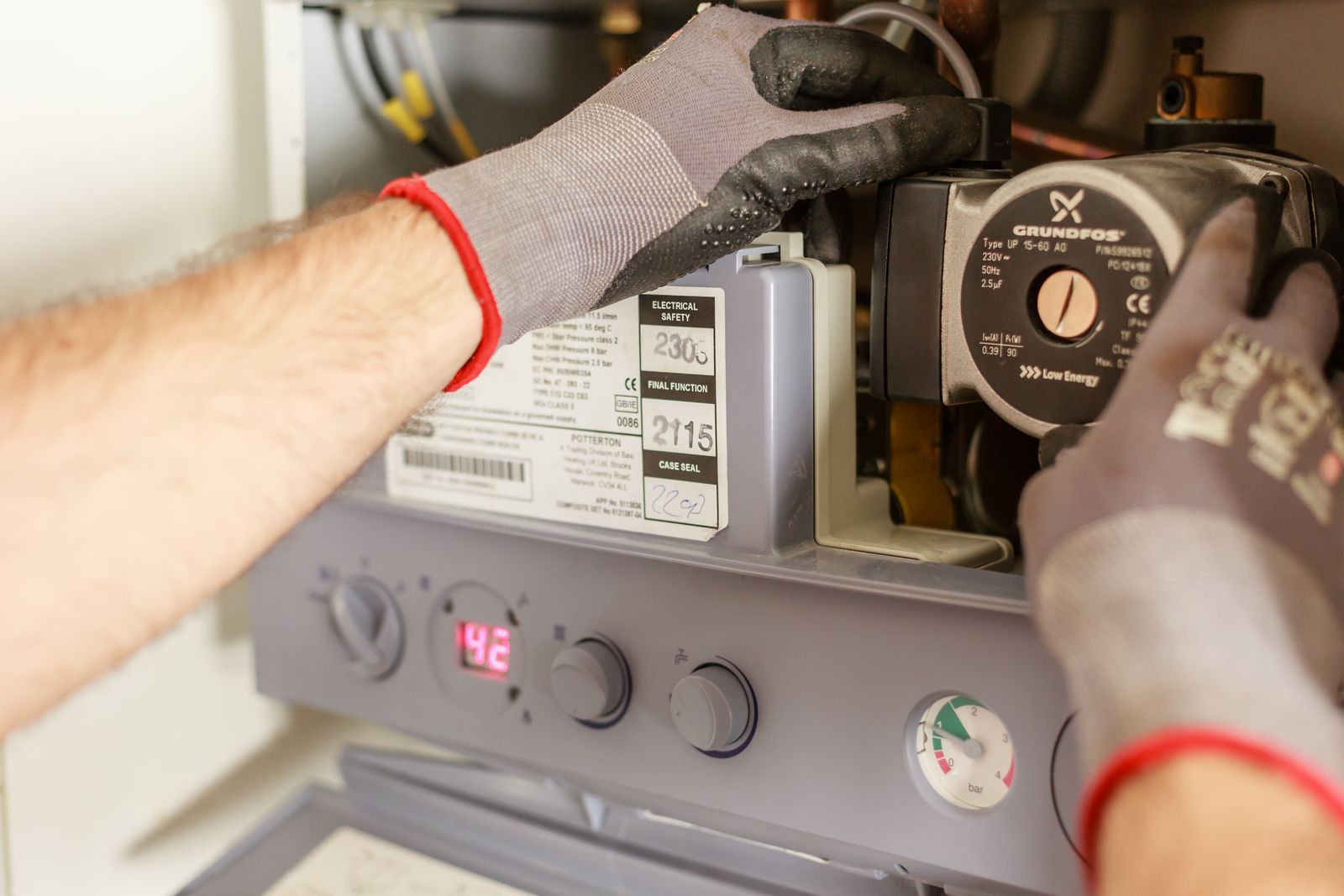
Most furnace problems are comfort problems. A few are safety problems, and knowing the difference is the whole game. This safety-first rundown covers the five signs Oshawa technicians treat seriously, from grinding bearings to a pilot flame burning the wrong colour, and how fast each one deserves a response.
What Your Furnace Is Saying by Sound
A furnace that has found its voice. Sounds map onto parts better than most homeowners expect. A high screech or grind is metal on metal, typically bearings in the blower motor or a belt at the end of its life, and it should be checked before the motor pays the price for the delay. A rattle is something loose, from an access panel to a duct joint. Rapid clicking at startup means the system is struggling to light, which often traces to the igniter or flame sensor.
Two Signs That Show Up on the Bill
Short cycling and creeping bills are usually related. A furnace that starts and stops every few minutes never reaches efficient, steady operation, and all that restarting stresses the igniter, relays and heat exchanger while using more fuel per hour of heat. Meanwhile the monthly bill tells the story in dollars: higher usage in weather no colder than last year means the system is losing efficiency, whether from dirty burners, a clogged filter or aging components. Check the filter, then compare bills across years before assuming rates are the culprit.
Comfort You Can Measure
Uneven heating around the house. Room-to-room temperature swings usually trace to airflow, not to the furnace being too small. Duct leaks bleed heated air into unheated spaces, blocked registers unbalance distribution, and a weakening blower or misreading thermostat makes the spread worse. Weak register airflow is the tell. A simple hand test at each vent, plus thermometer readings in the rooms that complain, gives a technician a clear map of the problem before the visit. Longer runtimes and higher bills are the cost of leaving it alone.
Check the Flame Colour
Blue is healthy, yellow is a warning. The pilot or burner flame on a gas furnace should burn a clean, steady blue. Yellow or orange, especially when it flickers, means incomplete combustion, and incomplete combustion is the classic carbon monoxide concern. Venting problems and a dirty burner can both cause it, and neither is a DIY fix. Shut the unit off and arrange a licensed inspection immediately; if the house smells of exhaust or a CO alarm sounds, get everyone outside first and call from there. Acting on a flame colour this week is always safer than acting on an alarm next month.
Every week a warning sign goes unanswered, the likely repair gets bigger. Bearings screech, then the motor fails. Filters clog, then the limit switch trips. The cheapest version of any furnace problem is the early one, and the early one is only available for a limited time.