A summer hydro bill has a way of telling the truth about your cooling system. When the number climbs without a heat wave to explain it, the air conditioner is usually fighting something fixable, and every extra hour of runtime is paying for that fight.
A Five-Minute Check Before You Call
- Filter. Pull it out and hold it up to a light; if you cannot see light through it, replace it.
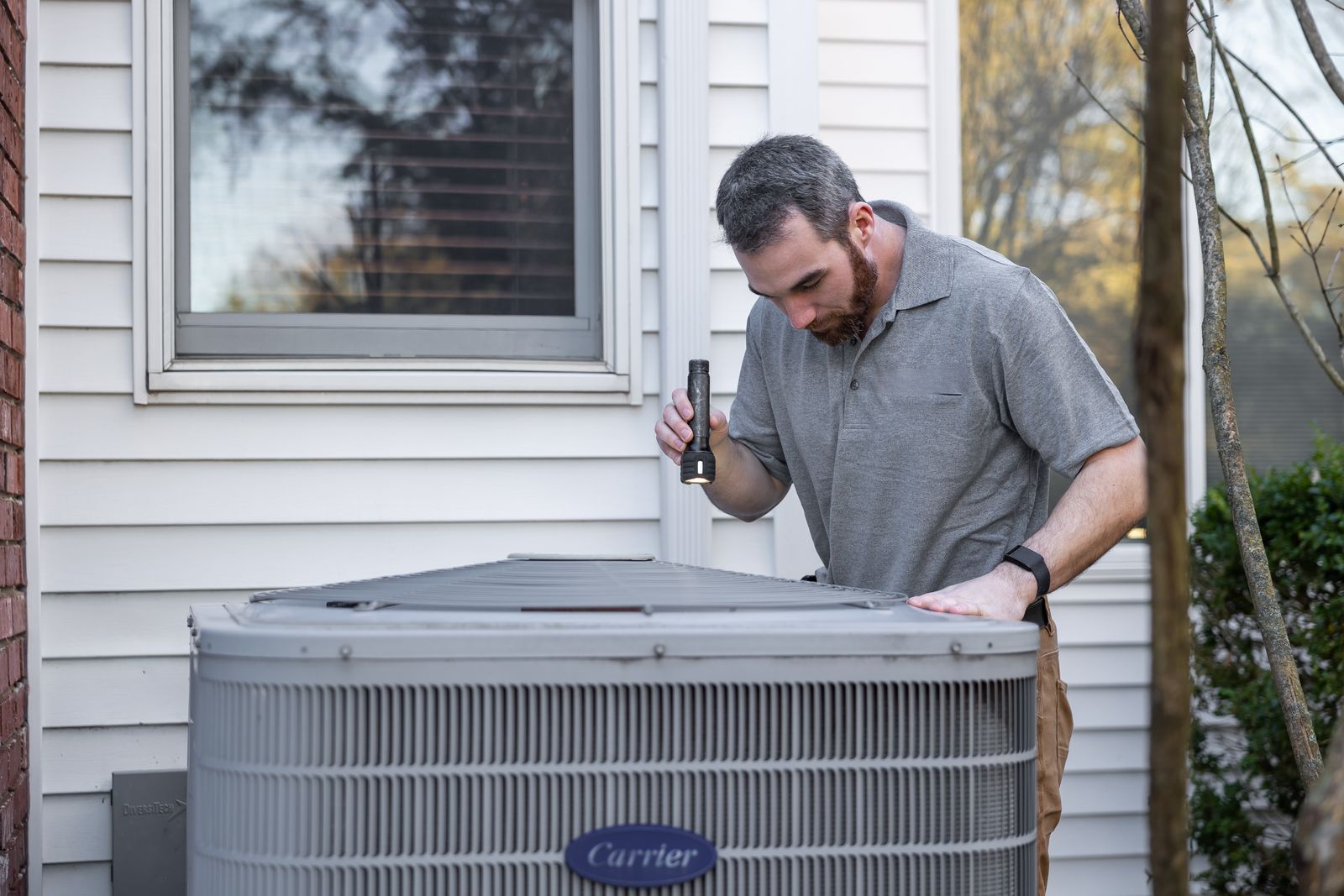
- Outdoor unit. Clear leaves and debris and confirm there is at least a foot of open space on every side.
- Thermostat. Confirm it reads a sensible temperature and responds when you lower the setting.
The Job a Correctly Sized AC Has to Do
Sizing an air conditioner is a calculation, not a guess. The right unit cools the house on a hot afternoon and dehumidifies it at the same time, because moisture removal is half of what the equipment does. On humid Ontario days the workload roughly doubles: the system must lower the temperature and wring water out of the air before either job reads as finished.
A correctly sized unit runs long cycles on those days and then shuts off. If yours never shuts off, or the house stays sticky regardless, the equipment and the home both deserve a closer look.
Dirt Is the Most Common Culprit of All
A clogged filter. When the filter is full, airflow drops and the system cannot move enough air to cool or dehumidify properly. Dirty coils. Dust building up on the indoor and outdoor coils blocks heat exchange, so heat that should be carried outside simply stays put.
A blocked condenser. Grass clippings, leaves, or a fence placed too close trap heat around the outdoor unit, forcing it to work even harder on days that are already tough.
On humid days, a steady setpoint often beats deep setbacks. A big afternoon recovery asks the system for full cooling at the hottest, muggiest hour of the day, when it has the least to give. A modest schedule keeps humidity from spiking while you are out.
Too Small, Too Old, or Both
The undersized unit. A unit too small for the home's cooling load runs without pause, cools unevenly, and leaves the air damp because short cycles remove very little moisture. The aging unit. Capacity fades as equipment gets older; worn compressors move refrigerant less effectively and coils lose their ability to shed heat. The pattern homeowners describe is always similar: it used to keep up, and somewhere around the second decade it stopped.
What a Professional Tune-Up Actually Covers
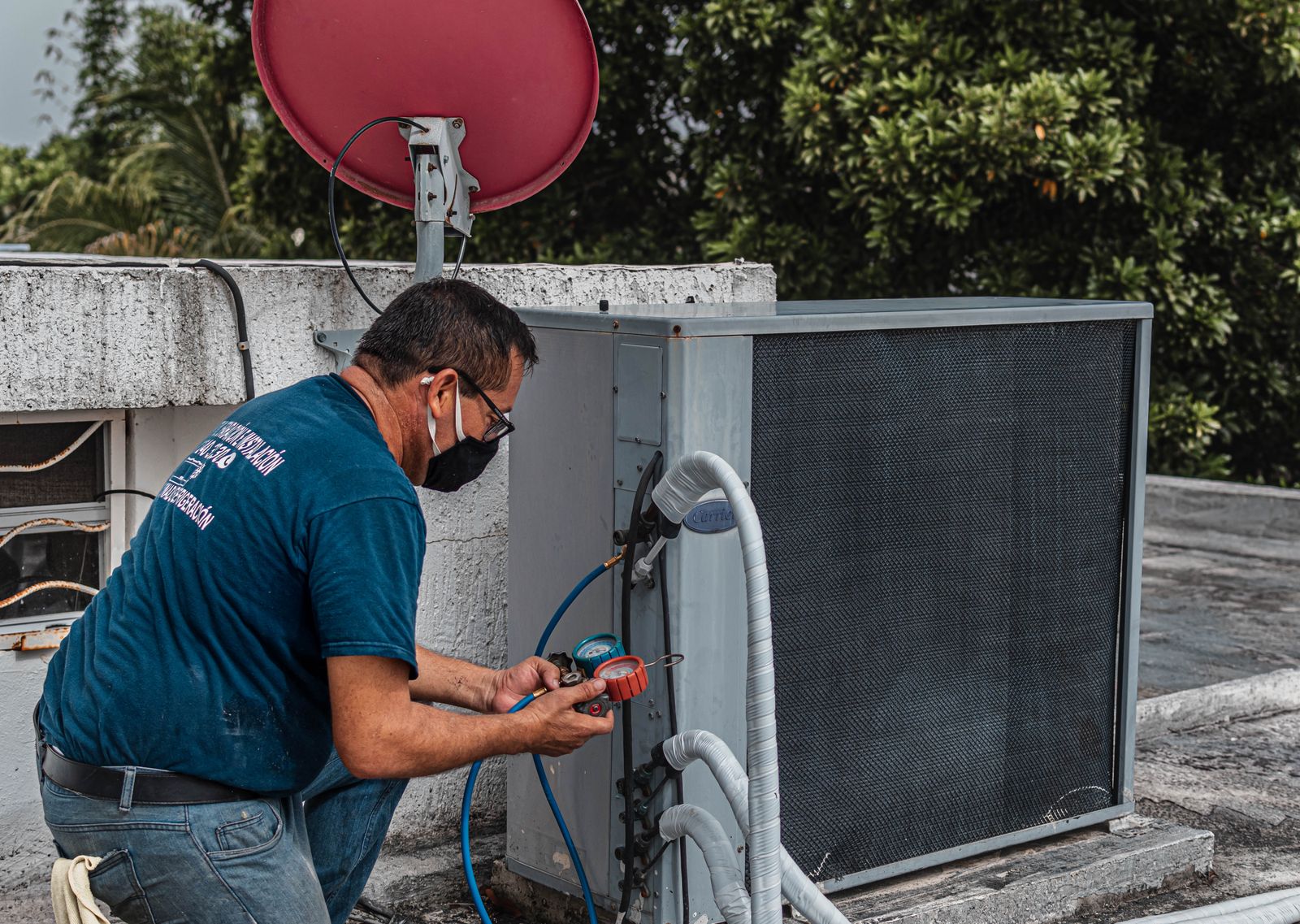
Low refrigerant. A leak or a poor charge leaves the system without enough refrigerant to absorb heat, so it runs long cycles while barely cooling. A leaky, under-insulated house. Warm, moist air seeping through gaps around windows, doors, and the attic adds load the unit was never designed to carry.
A seasonal service from Oshawa Heating & Cooling addresses both sides directly: cleaning coils, testing the refrigerant charge, measuring airflow, and reviewing whether the unit still fits the home as it stands.